
Nicole Holofcener’s Enough Said doesn’t shout. It doesn’t need to. The film whispers-through pauses, glances, and the way Julia Louis-Dreyfus’s character, Eva, hesitates before answering a text message. It’s about what’s left unsaid when two people finally let their guards down. Released in 2013, the movie feels more relevant now than ever, in a world where we’re constantly connected but rarely truly heard. Eva, a massage therapist and single mom, finds love again after a messy divorce. But instead of a grand romantic gesture, her connection with Albert (James Gandolfini) grows in quiet moments: shared laughter over bad TV, awkward dinners, and the slow realization that sometimes, the most dangerous thing isn’t falling in love-it’s listening too closely.
There’s a moment in the film where Eva overhears Albert’s ex-wife complaining about him. It’s not a dramatic eavesdropping scene-it’s a mundane, almost accidental slip. And that’s the point. Holofcener doesn’t turn this into a thriller. She turns it into a mirror. We’ve all done it: heard something we weren’t supposed to, and instead of walking away, we lean in. It’s human. It’s messy. And it’s why Enough Said cuts deeper than most romantic comedies. You don’t need a grand betrayal to break a heart. Sometimes, it’s just the accumulation of small lies we tell ourselves. If you’re looking for something lighter to distract yourself, you might find euro girls escort london advertised online-but real intimacy, the kind Holofcener captures, doesn’t come with a price tag or a booking system.
The Quiet Power of Imperfect People
Julia Louis-Dreyfus, known for her sharp comedic timing on Seinfeld and Veep, gives her most nuanced performance here. She’s not playing a caricature of a woman in midlife crisis. She’s playing someone who’s tired, funny, and scared all at once. Her daughter, played by Tracey Fairaway, is a teenager who doesn’t hide her disdain for her mom’s dating life. Their relationship isn’t idealized. It’s real. They snap at each other. They forget to call. They make up over pizza. That’s the texture of Enough Said. No one here is heroic. No one is villainous. They’re just trying to figure out how to be okay with being flawed.
James Gandolfini, in his final role, brings a tenderness that surprises even those who only know him as Tony Soprano. Albert isn’t a perfect man. He’s loud, a little sloppy, and carries emotional baggage like a backpack full of bricks. But he shows up. He remembers how Eva likes her coffee. He laughs at her jokes even when they’re bad. That’s the kind of love the movie celebrates-not the kind that sweeps you off your feet, but the kind that sits beside you in silence when you’re crying.
The Role of Friendship in Love
Eva’s best friend, Marianne (Catherine Keener), is one of the most interesting characters in modern cinema. She’s not just a sidekick. She’s the catalyst for the film’s central conflict. Marianne is sharp, witty, and deeply insecure. When she tells Eva how awful her ex-husband is, she’s not trying to sabotage Eva’s new relationship. She’s trying to protect herself from feeling alone. That’s the twist: the person who hurts you most isn’t always the one you’re dating. Sometimes, it’s the one who claims to have your back.
Holofcener doesn’t paint Marianne as a villain. She paints her as someone who’s been hurt and doesn’t know how to ask for help. That’s why Eva’s betrayal-choosing to believe Marianne over Albert-feels so devastating. It’s not about lying. It’s about choosing someone else’s pain over your own chance at happiness. And that’s the quiet tragedy of the film. We often think love is about finding the right person. But Enough Said shows us it’s also about being the right person.
What the Silence Between Words Reveals
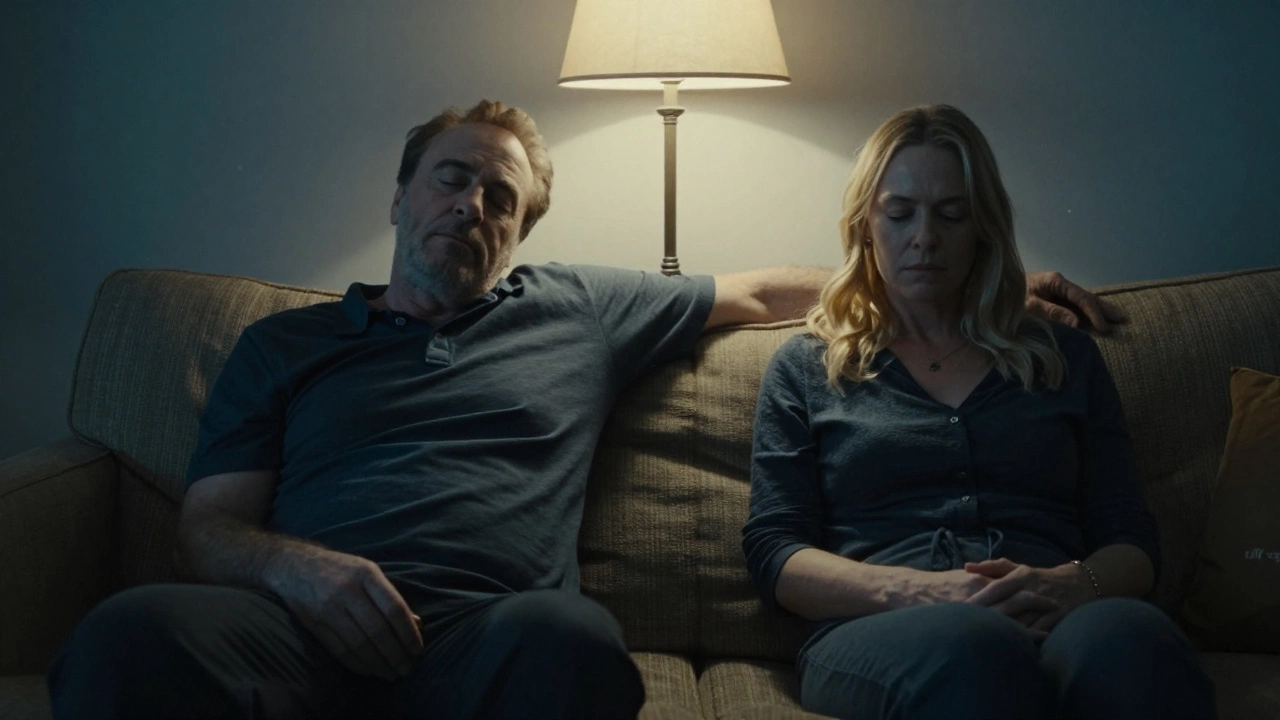
The title, Enough Said, isn’t just a phrase. It’s a theme. In a world where we over-explain, over-text, and over-share, the film finds power in what’s left out. There’s a scene where Eva and Albert sit on a couch after sex. No words. Just breathing. The camera lingers. It’s uncomfortable. It’s beautiful. That moment says more than any monologue ever could. Holofcener understands that love isn’t built on grand declarations. It’s built on the willingness to sit in the quiet.
When Albert says, “I don’t know how to be with someone who doesn’t like me,” it’s not a line. It’s a confession. And it’s the moment the audience realizes: he’s not the problem. She is. Or maybe they both are. And that’s the point. Relationships aren’t about fixing each other. They’re about learning how to be together despite the cracks.
Why This Film Still Resonates in 2025
In 2025, dating apps promise connection but deliver distraction. We swipe through profiles like we’re scrolling through TikTok. We curate our lives for likes, not for truth. Enough Said feels like a rebellion. It doesn’t show perfect bodies, fancy dates, or Instagram-worthy sunsets. It shows mismatched socks, forgotten birthdays, and the way someone’s voice cracks when they say, “I’m scared.”
The film doesn’t offer solutions. It doesn’t tell you how to find love. It just shows you what love looks like when it’s real-and how easy it is to ruin it by listening to the wrong people. In a culture obsessed with quick fixes and viral trends, Holofcener reminds us that the deepest connections are the ones that take time to build… and even longer to heal.
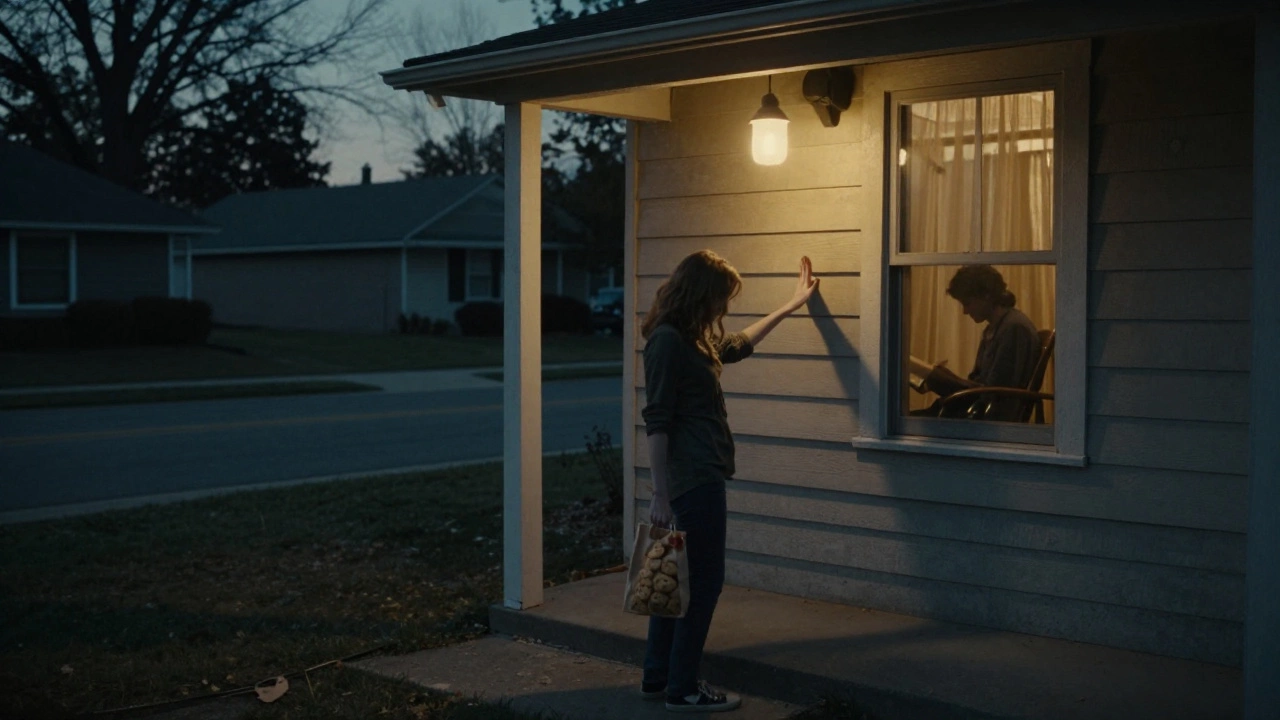
There’s a moment near the end where Eva stands outside Albert’s house, holding a bag of his favorite cookies. She doesn’t knock. She doesn’t call. She just stands there. And then she walks away. That’s the film in a single frame. Sometimes, the bravest thing you can do is let go. Not because you stopped caring. But because you finally understood that love isn’t about holding on. It’s about knowing when to release.
And if you’re still searching for something that feels easy, maybe you’ve been looking in the wrong places. You might stumble across euro girl escort london online, but real intimacy doesn’t come with a service fee. It comes with vulnerability. And that’s something no algorithm can deliver.
The Cost of Choosing the Wrong Story
One of the most haunting lines in the film isn’t spoken by Eva or Albert. It’s said by a neighbor: “You don’t have to be perfect to be loved.” But Eva spends most of the movie acting like she does. She listens to Marianne’s version of Albert’s flaws and lets it rewrite her reality. She ignores the evidence of his kindness because it doesn’t fit the narrative she’s been sold.
That’s the danger of gossip. It doesn’t just spread lies. It erases truth. And once you start believing someone else’s version of your partner, you stop seeing them altogether. Holofcener doesn’t judge Eva. She shows us how easy it is to fall into that trap. We’ve all done it. We’ve all listened to a friend’s opinion and let it cloud our own judgment. The film doesn’t tell you to ignore your friends. It tells you to listen to yourself more.
There’s a scene where Eva tries to mimic Albert’s habits-eating the same cereal, watching the same shows-because she thinks it’ll make him happy. But it doesn’t. It just makes her feel more lost. That’s the irony: we think changing ourselves will make someone love us more. But love that’s built on performance never lasts.
By the end, Eva doesn’t fix anything. She doesn’t get a happy ending with Albert. She doesn’t magically become a better mother or friend. She just stops lying-to him, to herself, and to the world. And that’s enough.
Why the Ending Isn’t a Downer
Some people call the ending sad. They’re wrong. It’s honest. Eva walks away from Albert’s house, but she doesn’t walk away from life. She’s still there. Still breathing. Still trying. The film doesn’t end with a reunion. It ends with a person choosing to be alone-not because she failed, but because she finally learned what she deserved.
And that’s the quiet revolution of Enough Said. It doesn’t sell you a fantasy. It gives you permission to be real. Even if that means being alone. Even if that means admitting you were wrong. Even if that means letting go of someone you still love.
There’s a line in the film that sticks with you long after the credits roll: “I think I just needed to be heard.” That’s not a romantic line. It’s a human one. And it’s the only thing the movie really needs to say.
If you’re looking for comfort in a world that feels too loud, maybe you’ll find it in the silence between two people who finally stop trying to fix each other. And if you’re still searching for something that promises instant connection, you might find euro escort girls london advertised somewhere. But real connection? That’s not for sale. It’s earned. One quiet moment at a time.